[01] When Critics Say the Classic Period Ended
There is no single agreed date, but film historians commonly place the end of the classic noir period around 1958, with Orson Welles' "Touch of Evil" (1958) frequently cited as the last major studio release generally counted within it. After that point, the specific industry and social conditions covered in chapter four, the postwar mood, the production code, the studio system's original form, had all shifted enough that new crime films were generally treated as a separate wave rather than a continuation.
The term "neo-noir" describes that later wave: films made from roughly the late 1960s onward that deliberately draw on noir's visual and narrative vocabulary, usually with clear awareness that they are working within an established tradition rather than inventing it fresh.
[02] What Neo-Noir Kept, and What It Changed
![[02] What Neo-Noir Kept, and What It Changed : From Classic Noir to Neo-Noir: What Actually Changed](/images/02-what-neo-noir-kept-and-what-it-changed-from-classic-noir-to-neo-noi.jpg)
Neo-noir kept the core devices covered in part two of this guide: a morally compromised protagonist, a plot built around concealed motive, and a visual interest in shadow and contrast even when shooting in colour. What changed was largely a matter of freedom. The Motion Picture Production Code, covered in chapter four, was formally replaced by a ratings system in 1968, allowing filmmakers to show violence, sexuality and moral consequence directly rather than only through implication.
Neo-noir films are also typically more self-aware of the tradition they are working in. Where classic noir was simply making crime pictures using the visual habits available at the time, neo-noir often references, quotes or deliberately subverts the conventions covered elsewhere in this guide.
[03] Classic Noir Against Neo-Noir, Side by Side
| Feature | Classic noir (roughly 1940s to late 1950s) | Neo-noir (roughly late 1960s onward) |
|---|---|---|
| Cinematography | Black and white, shaped by studio-era practice | Usually colour, contrast simulated through lighting and design |
| Content restrictions | Bound by the Motion Picture Production Code | Governed by the ratings system introduced in 1968 |
| Relationship to tradition | Established the conventions in real time | Consciously references or reworks established conventions |
| Setting | Almost always contemporary to its release | Contemporary, historical or speculative settings are all common |
[04] Two Films Often Used to Mark the Shift
![[04] Two Films Often Used to Mark the Shift : From Classic Noir to Neo-Noir: What Actually Changed](/images/04-two-films-often-used-to-mark-the-shift-from-classic-noir-to-neo-noi.jpg)
Roman Polanski's "Chinatown" (1974) is frequently cited as a defining neo-noir: shot in colour, set in 1930s Los Angeles rather than its own present, and built around a water rights conspiracy that ends without the moral resolution classic noir's production code would generally have required.
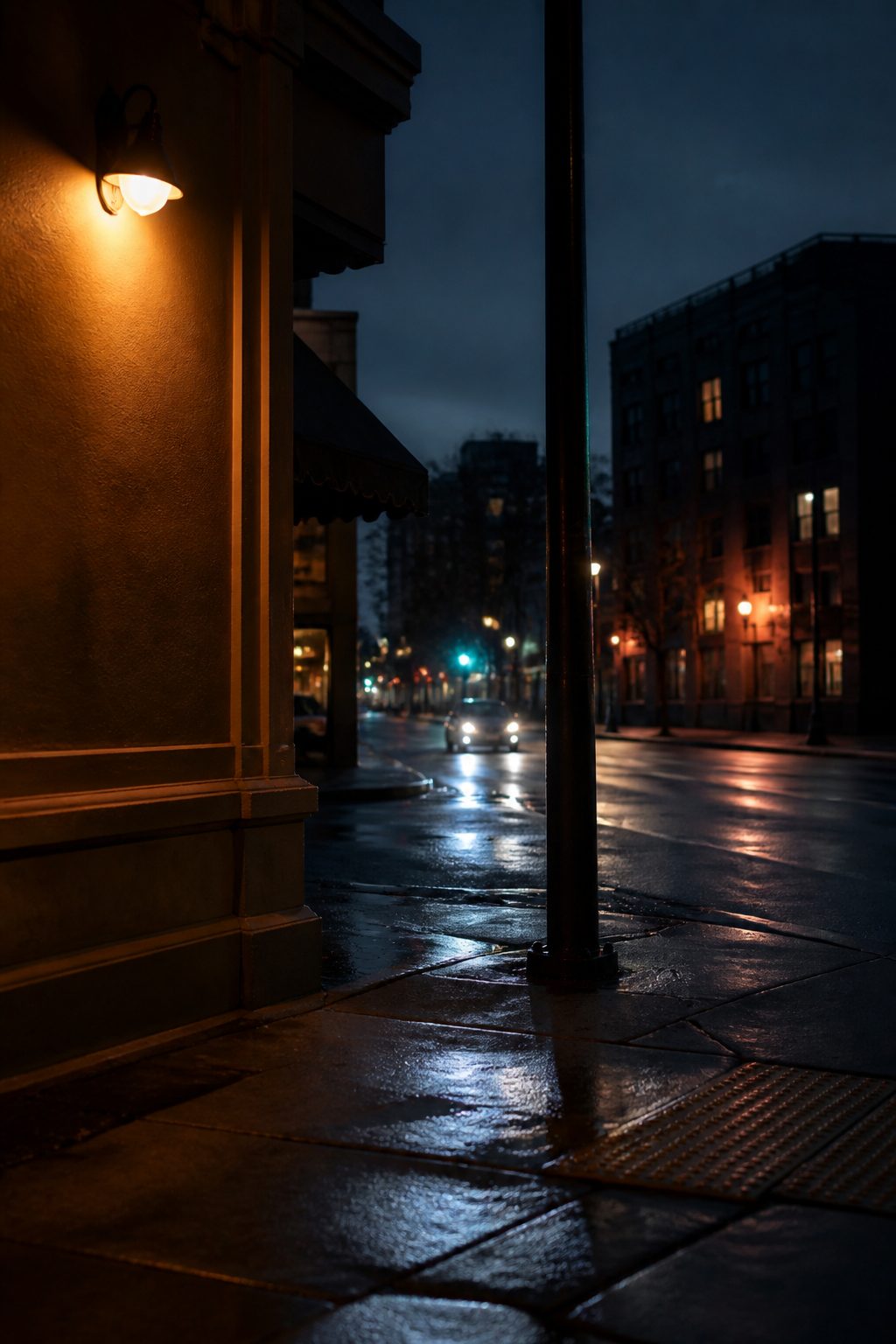
Ridley Scott's "Blade Runner" (1982) is cited just as often, for a different reason: it applies noir's visual grammar, hard shadow, rain-soaked streets, a weary investigator narrator in its original theatrical cut, to a science fiction setting, showing how portable the style's toolkit had become once separated from its original historical moment.
Chapter ten turns this history into a practical starting point: ten titles spanning both periods, with the year and the reason each is usually cited.