[01] Why So Many Noir Plots Start at the End
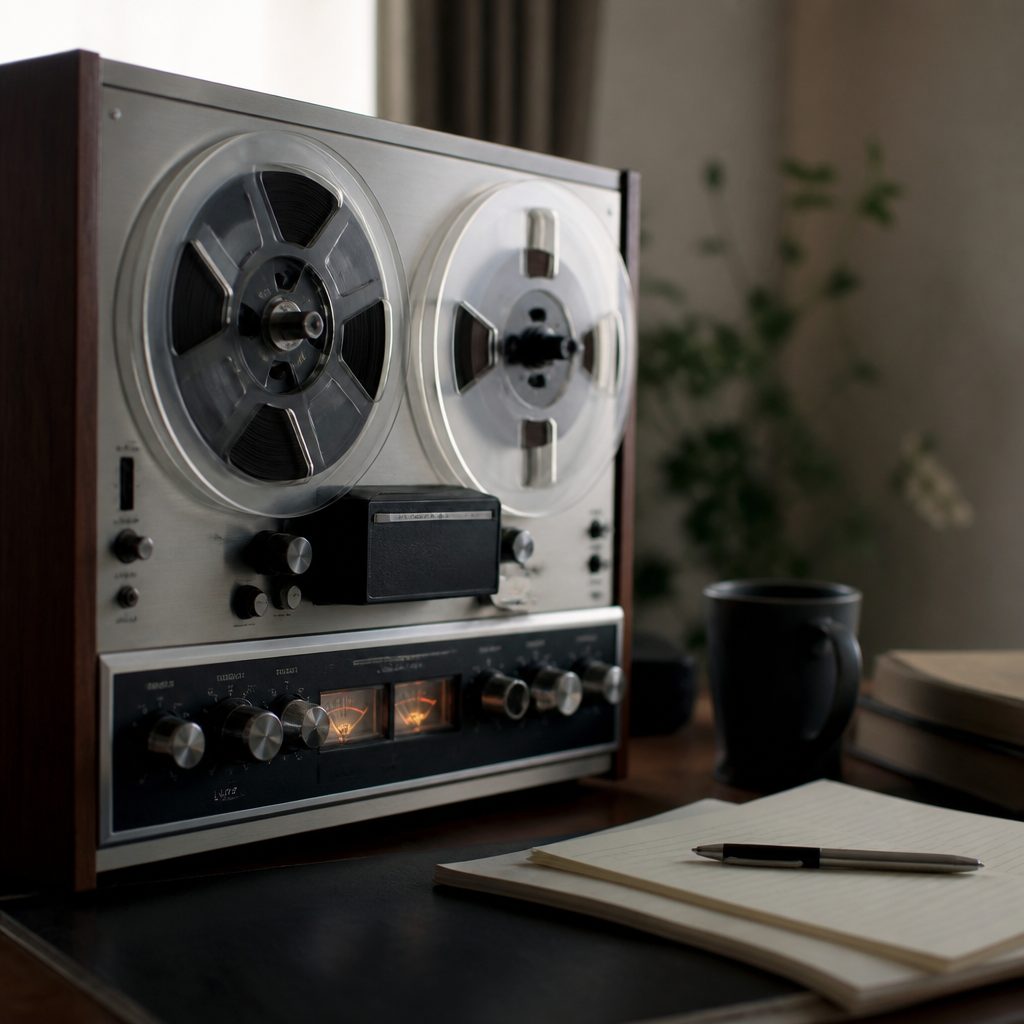
Billy Wilder's "Double Indemnity" (1944) opens with its narrator already wounded, recording a confession into a dictating machine before the film flashes back to show how he got there. That structure, a frame narrative that opens near or at the story's conclusion and then flashes back to explain it, recurs across classic noir often enough to be treated as one of the style's signature devices.
The effect is different from a story told in straightforward chronological order. The audience knows, roughly, where things are heading before the plot has finished happening, which shifts the tension from "what happens" to "how, and why, did it happen this way."
[02] What Voiceover Narration Actually Does
![[02] What Voiceover Narration Actually Does : Voiceover Narration and the Unreliable Narrator](/images/02-what-voiceover-narration-actually-does-voiceover-narration-and-the-.jpg)
Voiceover in noir does more than fill in plot. It carries over the terse, wry first-person voice of the hard-boiled novels the style drew from, giving a film access to a character's private judgment even in scenes where the character on screen says nothing. It also compresses time, letting a story skip past routine events the narrator considers not worth showing.
Because the narrator is also a participant in the story, and often already knows how badly things will end, the voiceover can carry a fatalistic weight that a purely visual scene cannot supply on its own. The narrator is, in effect, warning the audience and the earlier version of himself at the same time.
[03] The Unreliable Narrator
An unreliable narrator is one whose account the audience has reason to doubt, whether from a gap in what they know, a motive to shade the truth, or an outright lie. Noir's confessional voiceover structure sets this up naturally: a narrator explaining his own actions after the fact has every reason to present himself in the best available light.
Not every noir voiceover is unreliable, but the structure makes it easy to build one, and several classic and neo-noir films use the device deliberately, letting the visuals contradict or undercut what the narrator claims.
- Compare what the narrator says about his own motives with what his actions on screen actually show.
- Note any detail the narrator glosses over quickly or does not explain at all.
- Watch for a shift in tone when the narrator describes his own choices versus other characters' choices.
[04] Terms Used in This Chapter
![[04] Terms Used in This Chapter : Voiceover Narration and the Unreliable Narrator](/images/04-terms-used-in-this-chapter-voiceover-narration-and-the-unreliable-n.jpg)
- Frame narrative
- A story structure in which a later scene, often near the ending, "frames" an earlier sequence told mostly in flashback.
- Voiceover
- Narration spoken over a scene by a character, typically representing their private thoughts rather than dialogue spoken aloud within the scene.
- Unreliable narrator
- A narrator whose account the audience has reason to question, due to limited knowledge, self-interest or outright deception.
The next chapter turns from how a story is told to where it is set: the city streets and interiors that noir returns to with striking consistency.